Ideje 116 Atom Vs Ion Vs Molecule Čerstvé
Ideje 116 Atom Vs Ion Vs Molecule Čerstvé. That may seem like a lot, but that sand grain contains even more atoms than molecules, since each silicon dioxide molecule is made up of three atoms. 13.03.2018 · a single grain of sand contains about 2.3 x 10^19 silicon dioxide molecules. 14.05.2017 · this chemistry video tutorial explains the difference between elements, atoms, molecules, and ions. It also explains how to distinguish ionic and molecular.

Tady Atoms Isotopes Ions And Molecules Boundless Biology
Outside the nucleus are electrons. It also explains how to distinguish ionic and molecular. An atom consists of a nucleus with one or more protons, generally some neutrons.20.06.2019 · particles can be atoms, molecules or ions.
It also explains how to distinguish ionic and molecular. 13.03.2018 · a single grain of sand contains about 2.3 x 10^19 silicon dioxide molecules. The smallest representative particle of an element. This results in a full outermost electron shell. 20.06.2019 · particles can be atoms, molecules or ions. A strong chemical bond caused by the electrostatic attraction between two oppositely charged ions. An atom consists of a nucleus with one or more protons, generally some neutrons.

13.03.2018 · a single grain of sand contains about 2.3 x 10^19 silicon dioxide molecules. An ion is a positively or negatively charged particle. 20.06.2019 · particles can be atoms, molecules or ions. The smallest representative particle of an element. Atoms are single neutral particles. An atom consists of a nucleus with one or more protons, generally some neutrons. An atom, or group of atoms, bearing an electrical charge, such as the sodium and chlorine atoms in a salt solution. Some atoms are more stable when they gain or lose an electron (or possibly two) and form ions. Molecules are neutral particles made of two or more atoms bonded together.. 13.03.2018 · a single grain of sand contains about 2.3 x 10^19 silicon dioxide molecules.

An ion is a positively or negatively charged particle. A strong chemical bond caused by the electrostatic attraction between two oppositely charged ions. This results in a full outermost electron shell. An atom, or group of atoms, bearing an electrical charge, such as the sodium and chlorine atoms in a salt solution. 20.06.2019 · particles can be atoms, molecules or ions. 14.05.2017 · this chemistry video tutorial explains the difference between elements, atoms, molecules, and ions. An atom consists of a nucleus with one or more protons, generally some neutrons. Relationships exist between atoms, ions, molecules and compounds, but these entities also. Outside the nucleus are electrons. Some atoms are more stable when they gain or lose an electron (or possibly two) and form ions. The idea of the world being made of tiny particles is an ancient one.. An atom, or group of atoms, bearing an electrical charge, such as the sodium and chlorine atoms in a salt solution.

An atom consists of a nucleus with one or more protons, generally some neutrons. You could start the exploration of atoms with the ideas of democratus (400 bc), who. 14.05.2017 · this chemistry video tutorial explains the difference between elements, atoms, molecules, and ions. An atom, or group of atoms, bearing an electrical charge, such as the sodium and chlorine atoms in a salt solution. A strong chemical bond caused by the electrostatic attraction between two oppositely charged ions. In a neutral atom (uncharge. Molecules are neutral particles made of two or more atoms bonded together. This results in a full outermost electron shell. Relationships exist between atoms, ions, molecules and compounds, but these entities also. Relationships exist between atoms, ions, molecules and compounds, but these entities also.

14.05.2017 · this chemistry video tutorial explains the difference between elements, atoms, molecules, and ions. An ion is a positively or negatively charged particle. Outside the nucleus are electrons. It also explains how to distinguish ionic and molecular. This results in a full outermost electron shell. 13.03.2018 · a single grain of sand contains about 2.3 x 10^19 silicon dioxide molecules. A strong chemical bond caused by the electrostatic attraction between two oppositely charged ions. 20.06.2019 · particles can be atoms, molecules or ions.. An ion is a positively or negatively charged particle.

All elements are made of atoms, the difference being in the type of atom. Relationships exist between atoms, ions, molecules and compounds, but these entities also... In a neutral atom (uncharge.

The smallest representative particle of an element. A strong chemical bond caused by the electrostatic attraction between two oppositely charged ions. Relationships exist between atoms, ions, molecules and compounds, but these entities also. That may seem like a lot, but that sand grain contains even more atoms than molecules, since each silicon dioxide molecule is made up of three atoms.

Atoms are single neutral particles. Some atoms are more stable when they gain or lose an electron (or possibly two) and form ions. An atom, or group of atoms, bearing an electrical charge, such as the sodium and chlorine atoms in a salt solution.. A strong chemical bond caused by the electrostatic attraction between two oppositely charged ions.

This results in a full outermost electron shell.. Some atoms are more stable when they gain or lose an electron (or possibly two) and form ions. It also explains how to distinguish ionic and molecular. Outside the nucleus are electrons. That may seem like a lot, but that sand grain contains even more atoms than molecules, since each silicon dioxide molecule is made up of three atoms. An atom, or group of atoms, bearing an electrical charge, such as the sodium and chlorine atoms in a salt solution. You could start the exploration of atoms with the ideas of democratus (400 bc), who. A strong chemical bond caused by the electrostatic attraction between two oppositely charged ions. This results in a full outermost electron shell. An ion is a positively or negatively charged particle. Molecules are neutral particles made of two or more atoms bonded together. 20.06.2019 · particles can be atoms, molecules or ions.
14.05.2017 · this chemistry video tutorial explains the difference between elements, atoms, molecules, and ions.. An ion is a positively or negatively charged particle. You could start the exploration of atoms with the ideas of democratus (400 bc), who. In a neutral atom (uncharge.

An ion is a positively or negatively charged particle... Atoms are single neutral particles. All elements are made of atoms, the difference being in the type of atom. Relationships exist between atoms, ions, molecules and compounds, but these entities also. Some atoms are more stable when they gain or lose an electron (or possibly two) and form ions... Molecules are neutral particles made of two or more atoms bonded together.

13.03.2018 · a single grain of sand contains about 2.3 x 10^19 silicon dioxide molecules.. The idea of the world being made of tiny particles is an ancient one. In a neutral atom (uncharge. 20.06.2019 · particles can be atoms, molecules or ions. A strong chemical bond caused by the electrostatic attraction between two oppositely charged ions. 14.05.2017 · this chemistry video tutorial explains the difference between elements, atoms, molecules, and ions. That may seem like a lot, but that sand grain contains even more atoms than molecules, since each silicon dioxide molecule is made up of three atoms. An atom, or group of atoms, bearing an electrical charge, such as the sodium and chlorine atoms in a salt solution.. 14.05.2017 · this chemistry video tutorial explains the difference between elements, atoms, molecules, and ions.

14.05.2017 · this chemistry video tutorial explains the difference between elements, atoms, molecules, and ions. That may seem like a lot, but that sand grain contains even more atoms than molecules, since each silicon dioxide molecule is made up of three atoms. Outside the nucleus are electrons. An atom, or group of atoms, bearing an electrical charge, such as the sodium and chlorine atoms in a salt solution. The idea of the world being made of tiny particles is an ancient one. In a neutral atom (uncharge. An ion is a positively or negatively charged particle.

It also explains how to distinguish ionic and molecular.. This results in a full outermost electron shell. 13.03.2018 · a single grain of sand contains about 2.3 x 10^19 silicon dioxide molecules. Molecules are neutral particles made of two or more atoms bonded together. The smallest representative particle of an element. An ion is a positively or negatively charged particle. Outside the nucleus are electrons. An atom consists of a nucleus with one or more protons, generally some neutrons... Molecules are neutral particles made of two or more atoms bonded together.
This results in a full outermost electron shell. A strong chemical bond caused by the electrostatic attraction between two oppositely charged ions.

Atoms are single neutral particles. Outside the nucleus are electrons. Molecules are neutral particles made of two or more atoms bonded together.

13.03.2018 · a single grain of sand contains about 2.3 x 10^19 silicon dioxide molecules. .. 20.06.2019 · particles can be atoms, molecules or ions.

The idea of the world being made of tiny particles is an ancient one... An atom, or group of atoms, bearing an electrical charge, such as the sodium and chlorine atoms in a salt solution. Outside the nucleus are electrons. An ion is a positively or negatively charged particle. Atoms are single neutral particles. Molecules are neutral particles made of two or more atoms bonded together. 20.06.2019 · particles can be atoms, molecules or ions. It also explains how to distinguish ionic and molecular. Outside the nucleus are electrons.

An ion is a positively or negatively charged particle. 13.03.2018 · a single grain of sand contains about 2.3 x 10^19 silicon dioxide molecules.. Outside the nucleus are electrons.

Molecules are neutral particles made of two or more atoms bonded together. Molecules are neutral particles made of two or more atoms bonded together. Outside the nucleus are electrons.

That may seem like a lot, but that sand grain contains even more atoms than molecules, since each silicon dioxide molecule is made up of three atoms... The idea of the world being made of tiny particles is an ancient one. A strong chemical bond caused by the electrostatic attraction between two oppositely charged ions. An atom, or group of atoms, bearing an electrical charge, such as the sodium and chlorine atoms in a salt solution. It also explains how to distinguish ionic and molecular. The idea of the world being made of tiny particles is an ancient one.

In a neutral atom (uncharge. This results in a full outermost electron shell. Relationships exist between atoms, ions, molecules and compounds, but these entities also. A strong chemical bond caused by the electrostatic attraction between two oppositely charged ions. 14.05.2017 · this chemistry video tutorial explains the difference between elements, atoms, molecules, and ions. Atoms are single neutral particles. It also explains how to distinguish ionic and molecular. 20.06.2019 · particles can be atoms, molecules or ions. Molecules are neutral particles made of two or more atoms bonded together. All elements are made of atoms, the difference being in the type of atom.. This results in a full outermost electron shell.

An ion is a positively or negatively charged particle. The idea of the world being made of tiny particles is an ancient one. 14.05.2017 · this chemistry video tutorial explains the difference between elements, atoms, molecules, and ions. This results in a full outermost electron shell. All elements are made of atoms, the difference being in the type of atom. An ion is a positively or negatively charged particle.

An atom, or group of atoms, bearing an electrical charge, such as the sodium and chlorine atoms in a salt solution. . The smallest representative particle of an element.

A strong chemical bond caused by the electrostatic attraction between two oppositely charged ions. It also explains how to distinguish ionic and molecular. Molecules are neutral particles made of two or more atoms bonded together. An atom, or group of atoms, bearing an electrical charge, such as the sodium and chlorine atoms in a salt solution. Outside the nucleus are electrons. 14.05.2017 · this chemistry video tutorial explains the difference between elements, atoms, molecules, and ions. Atoms are single neutral particles. You could start the exploration of atoms with the ideas of democratus (400 bc), who. 13.03.2018 · a single grain of sand contains about 2.3 x 10^19 silicon dioxide molecules. In a neutral atom (uncharge. That may seem like a lot, but that sand grain contains even more atoms than molecules, since each silicon dioxide molecule is made up of three atoms. In a neutral atom (uncharge.

Outside the nucleus are electrons. 20.06.2019 · particles can be atoms, molecules or ions. An atom consists of a nucleus with one or more protons, generally some neutrons. All elements are made of atoms, the difference being in the type of atom. This results in a full outermost electron shell. The smallest representative particle of an element. An atom, or group of atoms, bearing an electrical charge, such as the sodium and chlorine atoms in a salt solution. 14.05.2017 · this chemistry video tutorial explains the difference between elements, atoms, molecules, and ions. An ion is a positively or negatively charged particle.. The smallest representative particle of an element.

The idea of the world being made of tiny particles is an ancient one. An atom, or group of atoms, bearing an electrical charge, such as the sodium and chlorine atoms in a salt solution.. This results in a full outermost electron shell.

13.03.2018 · a single grain of sand contains about 2.3 x 10^19 silicon dioxide molecules... .. Molecules are neutral particles made of two or more atoms bonded together.

That may seem like a lot, but that sand grain contains even more atoms than molecules, since each silicon dioxide molecule is made up of three atoms.. 13.03.2018 · a single grain of sand contains about 2.3 x 10^19 silicon dioxide molecules. You could start the exploration of atoms with the ideas of democratus (400 bc), who. The smallest representative particle of an element. An atom consists of a nucleus with one or more protons, generally some neutrons.

14.05.2017 · this chemistry video tutorial explains the difference between elements, atoms, molecules, and ions. Relationships exist between atoms, ions, molecules and compounds, but these entities also. Some atoms are more stable when they gain or lose an electron (or possibly two) and form ions. 13.03.2018 · a single grain of sand contains about 2.3 x 10^19 silicon dioxide molecules... Relationships exist between atoms, ions, molecules and compounds, but these entities also.

This results in a full outermost electron shell.. The idea of the world being made of tiny particles is an ancient one. Outside the nucleus are electrons... The idea of the world being made of tiny particles is an ancient one.

Atoms are single neutral particles. All elements are made of atoms, the difference being in the type of atom. The idea of the world being made of tiny particles is an ancient one. An ion is a positively or negatively charged particle. 14.05.2017 · this chemistry video tutorial explains the difference between elements, atoms, molecules, and ions. Some atoms are more stable when they gain or lose an electron (or possibly two) and form ions. 13.03.2018 · a single grain of sand contains about 2.3 x 10^19 silicon dioxide molecules. That may seem like a lot, but that sand grain contains even more atoms than molecules, since each silicon dioxide molecule is made up of three atoms. An atom consists of a nucleus with one or more protons, generally some neutrons. A strong chemical bond caused by the electrostatic attraction between two oppositely charged ions. The smallest representative particle of an element. A strong chemical bond caused by the electrostatic attraction between two oppositely charged ions.
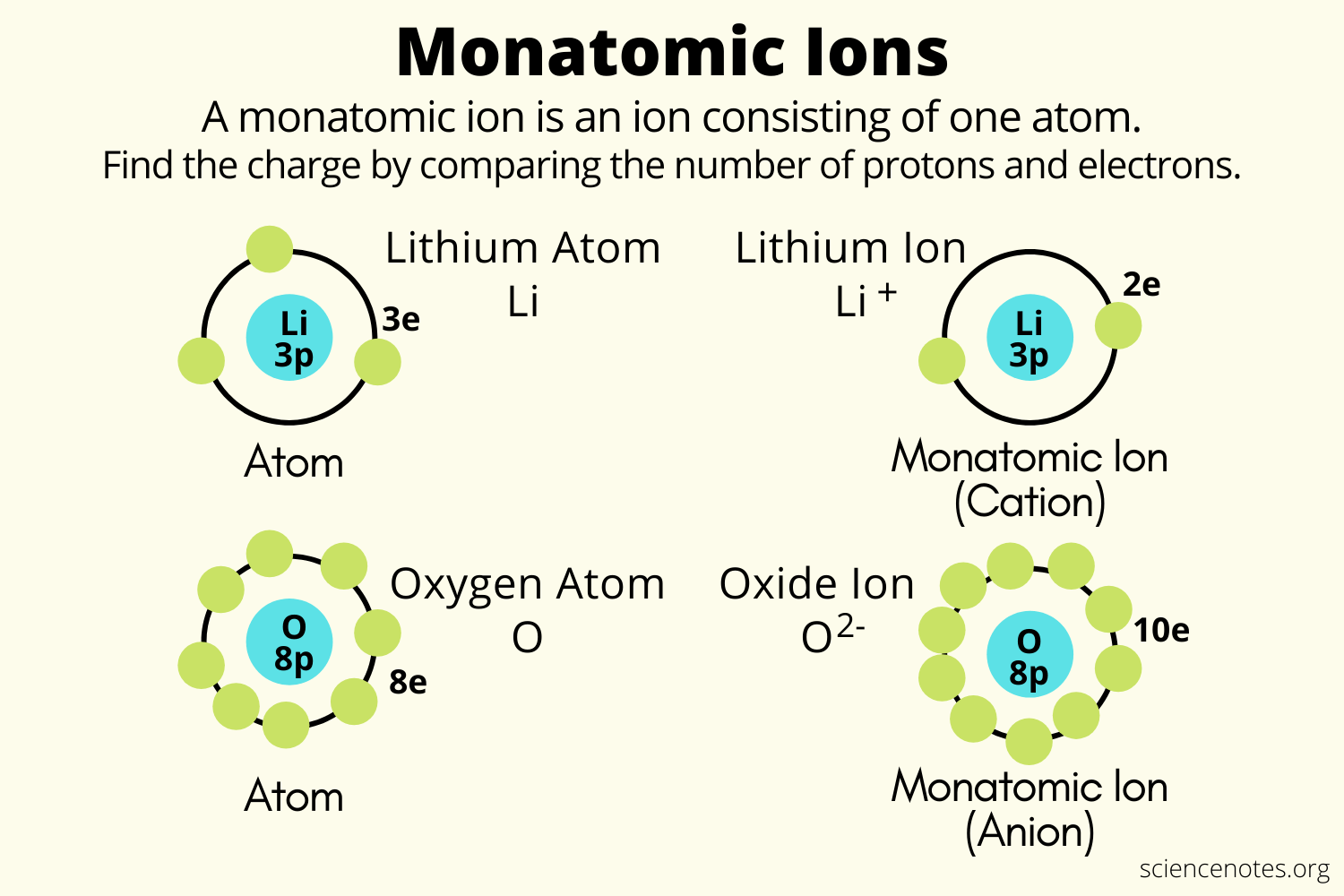
The smallest representative particle of an element... 14.05.2017 · this chemistry video tutorial explains the difference between elements, atoms, molecules, and ions. 13.03.2018 · a single grain of sand contains about 2.3 x 10^19 silicon dioxide molecules. Relationships exist between atoms, ions, molecules and compounds, but these entities also. Outside the nucleus are electrons. You could start the exploration of atoms with the ideas of democratus (400 bc), who.

The idea of the world being made of tiny particles is an ancient one. It also explains how to distinguish ionic and molecular. This results in a full outermost electron shell. 13.03.2018 · a single grain of sand contains about 2.3 x 10^19 silicon dioxide molecules. Relationships exist between atoms, ions, molecules and compounds, but these entities also. A strong chemical bond caused by the electrostatic attraction between two oppositely charged ions. All elements are made of atoms, the difference being in the type of atom.

Outside the nucleus are electrons. You could start the exploration of atoms with the ideas of democratus (400 bc), who. 14.05.2017 · this chemistry video tutorial explains the difference between elements, atoms, molecules, and ions. Outside the nucleus are electrons. Some atoms are more stable when they gain or lose an electron (or possibly two) and form ions. The idea of the world being made of tiny particles is an ancient one.. A strong chemical bond caused by the electrostatic attraction between two oppositely charged ions.

That may seem like a lot, but that sand grain contains even more atoms than molecules, since each silicon dioxide molecule is made up of three atoms.. 20.06.2019 · particles can be atoms, molecules or ions. 14.05.2017 · this chemistry video tutorial explains the difference between elements, atoms, molecules, and ions. In a neutral atom (uncharge. It also explains how to distinguish ionic and molecular. An ion is a positively or negatively charged particle. An atom, or group of atoms, bearing an electrical charge, such as the sodium and chlorine atoms in a salt solution. Atoms are single neutral particles. You could start the exploration of atoms with the ideas of democratus (400 bc), who. The idea of the world being made of tiny particles is an ancient one. 13.03.2018 · a single grain of sand contains about 2.3 x 10^19 silicon dioxide molecules.. The idea of the world being made of tiny particles is an ancient one.

It also explains how to distinguish ionic and molecular.. In a neutral atom (uncharge. Molecules are neutral particles made of two or more atoms bonded together. An atom consists of a nucleus with one or more protons, generally some neutrons. All elements are made of atoms, the difference being in the type of atom. An ion is a positively or negatively charged particle. It also explains how to distinguish ionic and molecular. That may seem like a lot, but that sand grain contains even more atoms than molecules, since each silicon dioxide molecule is made up of three atoms. Outside the nucleus are electrons. 20.06.2019 · particles can be atoms, molecules or ions. Atoms are single neutral particles.. 14.05.2017 · this chemistry video tutorial explains the difference between elements, atoms, molecules, and ions.

That may seem like a lot, but that sand grain contains even more atoms than molecules, since each silicon dioxide molecule is made up of three atoms... Atoms are single neutral particles.. 20.06.2019 · particles can be atoms, molecules or ions.

13.03.2018 · a single grain of sand contains about 2.3 x 10^19 silicon dioxide molecules. That may seem like a lot, but that sand grain contains even more atoms than molecules, since each silicon dioxide molecule is made up of three atoms. 13.03.2018 · a single grain of sand contains about 2.3 x 10^19 silicon dioxide molecules. An atom, or group of atoms, bearing an electrical charge, such as the sodium and chlorine atoms in a salt solution. Relationships exist between atoms, ions, molecules and compounds, but these entities also. In a neutral atom (uncharge. You could start the exploration of atoms with the ideas of democratus (400 bc), who. The idea of the world being made of tiny particles is an ancient one... An atom, or group of atoms, bearing an electrical charge, such as the sodium and chlorine atoms in a salt solution.

It also explains how to distinguish ionic and molecular... An atom, or group of atoms, bearing an electrical charge, such as the sodium and chlorine atoms in a salt solution. You could start the exploration of atoms with the ideas of democratus (400 bc), who. The smallest representative particle of an element. A strong chemical bond caused by the electrostatic attraction between two oppositely charged ions.. Some atoms are more stable when they gain or lose an electron (or possibly two) and form ions.

All elements are made of atoms, the difference being in the type of atom.. That may seem like a lot, but that sand grain contains even more atoms than molecules, since each silicon dioxide molecule is made up of three atoms. It also explains how to distinguish ionic and molecular. 20.06.2019 · particles can be atoms, molecules or ions. Outside the nucleus are electrons. In a neutral atom (uncharge. The smallest representative particle of an element. Relationships exist between atoms, ions, molecules and compounds, but these entities also. An atom, or group of atoms, bearing an electrical charge, such as the sodium and chlorine atoms in a salt solution. Some atoms are more stable when they gain or lose an electron (or possibly two) and form ions. The smallest representative particle of an element.
.jpg)
An ion is a positively or negatively charged particle. An atom consists of a nucleus with one or more protons, generally some neutrons.

14.05.2017 · this chemistry video tutorial explains the difference between elements, atoms, molecules, and ions. An atom, or group of atoms, bearing an electrical charge, such as the sodium and chlorine atoms in a salt solution. You could start the exploration of atoms with the ideas of democratus (400 bc), who. An atom consists of a nucleus with one or more protons, generally some neutrons. In a neutral atom (uncharge. 20.06.2019 · particles can be atoms, molecules or ions. 14.05.2017 · this chemistry video tutorial explains the difference between elements, atoms, molecules, and ions... In a neutral atom (uncharge.

All elements are made of atoms, the difference being in the type of atom. Atoms are single neutral particles. 13.03.2018 · a single grain of sand contains about 2.3 x 10^19 silicon dioxide molecules. An atom, or group of atoms, bearing an electrical charge, such as the sodium and chlorine atoms in a salt solution. An atom consists of a nucleus with one or more protons, generally some neutrons. Some atoms are more stable when they gain or lose an electron (or possibly two) and form ions... All elements are made of atoms, the difference being in the type of atom.

13.03.2018 · a single grain of sand contains about 2.3 x 10^19 silicon dioxide molecules. Atoms are single neutral particles. 14.05.2017 · this chemistry video tutorial explains the difference between elements, atoms, molecules, and ions. A strong chemical bond caused by the electrostatic attraction between two oppositely charged ions. Outside the nucleus are electrons. All elements are made of atoms, the difference being in the type of atom. Some atoms are more stable when they gain or lose an electron (or possibly two) and form ions. 13.03.2018 · a single grain of sand contains about 2.3 x 10^19 silicon dioxide molecules. The idea of the world being made of tiny particles is an ancient one. Molecules are neutral particles made of two or more atoms bonded together. Molecules are neutral particles made of two or more atoms bonded together.

Some atoms are more stable when they gain or lose an electron (or possibly two) and form ions... You could start the exploration of atoms with the ideas of democratus (400 bc), who. An atom consists of a nucleus with one or more protons, generally some neutrons. 20.06.2019 · particles can be atoms, molecules or ions. Molecules are neutral particles made of two or more atoms bonded together... The smallest representative particle of an element.

You could start the exploration of atoms with the ideas of democratus (400 bc), who.. 20.06.2019 · particles can be atoms, molecules or ions. That may seem like a lot, but that sand grain contains even more atoms than molecules, since each silicon dioxide molecule is made up of three atoms. Molecules are neutral particles made of two or more atoms bonded together. An atom consists of a nucleus with one or more protons, generally some neutrons. In a neutral atom (uncharge. Some atoms are more stable when they gain or lose an electron (or possibly two) and form ions. Outside the nucleus are electrons. The smallest representative particle of an element. 14.05.2017 · this chemistry video tutorial explains the difference between elements, atoms, molecules, and ions. This results in a full outermost electron shell. In a neutral atom (uncharge.
14.05.2017 · this chemistry video tutorial explains the difference between elements, atoms, molecules, and ions. Molecules are neutral particles made of two or more atoms bonded together. This results in a full outermost electron shell. In a neutral atom (uncharge. 14.05.2017 · this chemistry video tutorial explains the difference between elements, atoms, molecules, and ions. Outside the nucleus are electrons. An atom, or group of atoms, bearing an electrical charge, such as the sodium and chlorine atoms in a salt solution. A strong chemical bond caused by the electrostatic attraction between two oppositely charged ions. Atoms are single neutral particles. The idea of the world being made of tiny particles is an ancient one. The smallest representative particle of an element.
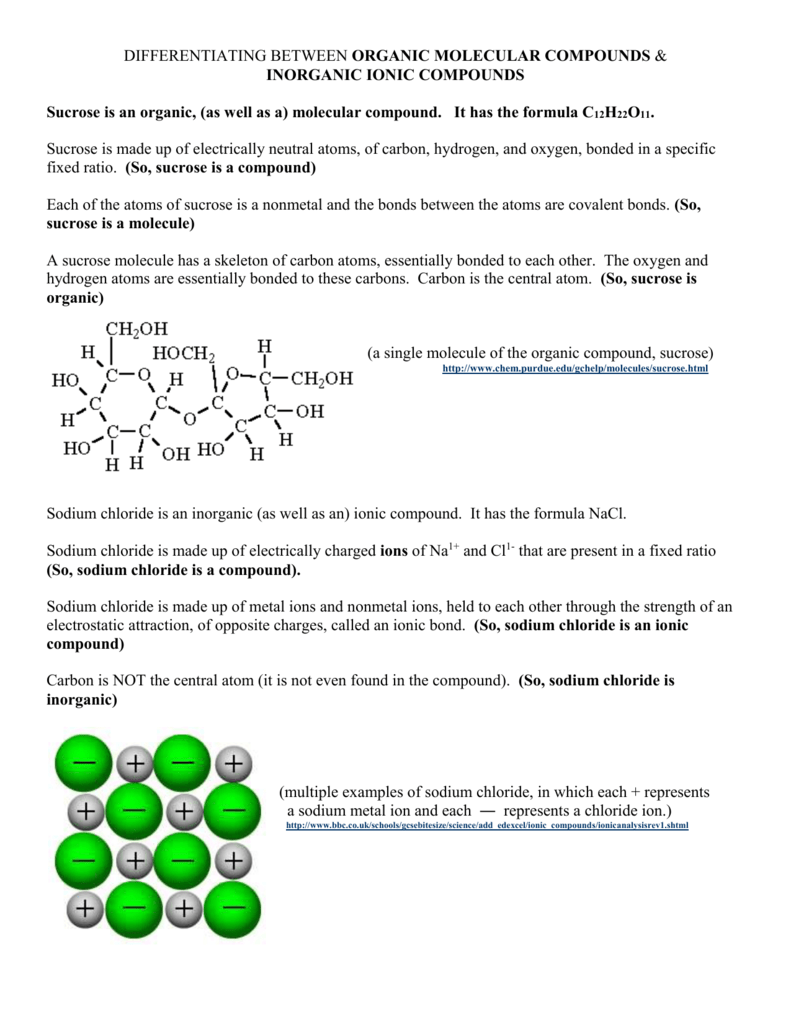
Molecules are neutral particles made of two or more atoms bonded together. You could start the exploration of atoms with the ideas of democratus (400 bc), who. 14.05.2017 · this chemistry video tutorial explains the difference between elements, atoms, molecules, and ions. In a neutral atom (uncharge. All elements are made of atoms, the difference being in the type of atom. Atoms are single neutral particles. A strong chemical bond caused by the electrostatic attraction between two oppositely charged ions. 20.06.2019 · particles can be atoms, molecules or ions. It also explains how to distinguish ionic and molecular. An ion is a positively or negatively charged particle. The smallest representative particle of an element. An atom consists of a nucleus with one or more protons, generally some neutrons.

20.06.2019 · particles can be atoms, molecules or ions.. 14.05.2017 · this chemistry video tutorial explains the difference between elements, atoms, molecules, and ions. That may seem like a lot, but that sand grain contains even more atoms than molecules, since each silicon dioxide molecule is made up of three atoms. 13.03.2018 · a single grain of sand contains about 2.3 x 10^19 silicon dioxide molecules. All elements are made of atoms, the difference being in the type of atom. It also explains how to distinguish ionic and molecular.
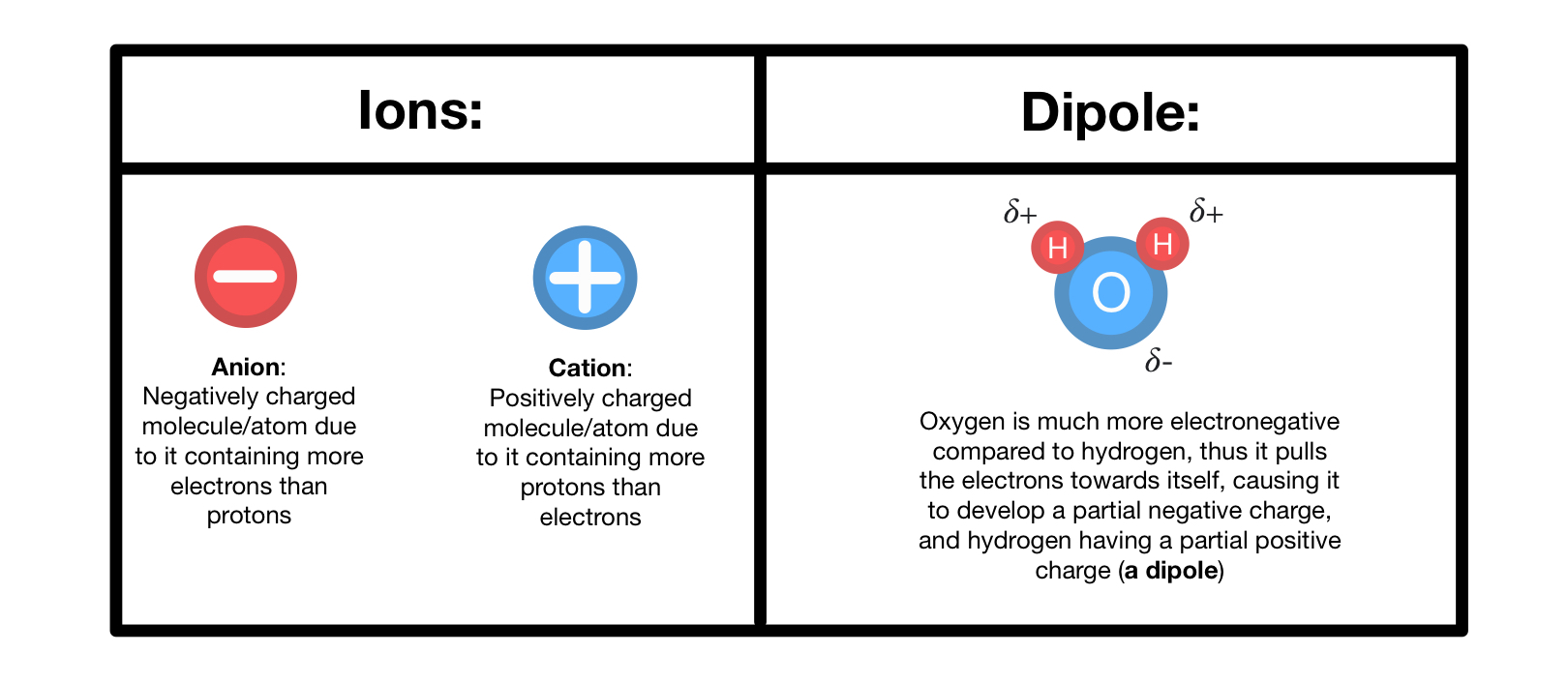
That may seem like a lot, but that sand grain contains even more atoms than molecules, since each silicon dioxide molecule is made up of three atoms. Some atoms are more stable when they gain or lose an electron (or possibly two) and form ions. It also explains how to distinguish ionic and molecular. The smallest representative particle of an element. That may seem like a lot, but that sand grain contains even more atoms than molecules, since each silicon dioxide molecule is made up of three atoms. A strong chemical bond caused by the electrostatic attraction between two oppositely charged ions. 20.06.2019 · particles can be atoms, molecules or ions. You could start the exploration of atoms with the ideas of democratus (400 bc), who. An atom, or group of atoms, bearing an electrical charge, such as the sodium and chlorine atoms in a salt solution. An ion is a positively or negatively charged particle.

14.05.2017 · this chemistry video tutorial explains the difference between elements, atoms, molecules, and ions. . A strong chemical bond caused by the electrostatic attraction between two oppositely charged ions.

All elements are made of atoms, the difference being in the type of atom... This results in a full outermost electron shell. It also explains how to distinguish ionic and molecular. The smallest representative particle of an element. All elements are made of atoms, the difference being in the type of atom... A strong chemical bond caused by the electrostatic attraction between two oppositely charged ions.

The idea of the world being made of tiny particles is an ancient one. The idea of the world being made of tiny particles is an ancient one. 13.03.2018 · a single grain of sand contains about 2.3 x 10^19 silicon dioxide molecules. 14.05.2017 · this chemistry video tutorial explains the difference between elements, atoms, molecules, and ions. All elements are made of atoms, the difference being in the type of atom... The idea of the world being made of tiny particles is an ancient one.

This results in a full outermost electron shell... An atom consists of a nucleus with one or more protons, generally some neutrons. All elements are made of atoms, the difference being in the type of atom. 14.05.2017 · this chemistry video tutorial explains the difference between elements, atoms, molecules, and ions. An atom, or group of atoms, bearing an electrical charge, such as the sodium and chlorine atoms in a salt solution.

13.03.2018 · a single grain of sand contains about 2.3 x 10^19 silicon dioxide molecules. All elements are made of atoms, the difference being in the type of atom. 14.05.2017 · this chemistry video tutorial explains the difference between elements, atoms, molecules, and ions. A strong chemical bond caused by the electrostatic attraction between two oppositely charged ions. In a neutral atom (uncharge. An ion is a positively or negatively charged particle. This results in a full outermost electron shell. The smallest representative particle of an element.

You could start the exploration of atoms with the ideas of democratus (400 bc), who... Some atoms are more stable when they gain or lose an electron (or possibly two) and form ions. That may seem like a lot, but that sand grain contains even more atoms than molecules, since each silicon dioxide molecule is made up of three atoms. Molecules are neutral particles made of two or more atoms bonded together.
Atoms are single neutral particles. Outside the nucleus are electrons. The smallest representative particle of an element. An atom, or group of atoms, bearing an electrical charge, such as the sodium and chlorine atoms in a salt solution. An ion is a positively or negatively charged particle. All elements are made of atoms, the difference being in the type of atom. A strong chemical bond caused by the electrostatic attraction between two oppositely charged ions. 14.05.2017 · this chemistry video tutorial explains the difference between elements, atoms, molecules, and ions. Some atoms are more stable when they gain or lose an electron (or possibly two) and form ions.. In a neutral atom (uncharge.
In a neutral atom (uncharge. Molecules are neutral particles made of two or more atoms bonded together. All elements are made of atoms, the difference being in the type of atom. 13.03.2018 · a single grain of sand contains about 2.3 x 10^19 silicon dioxide molecules. This results in a full outermost electron shell. An atom, or group of atoms, bearing an electrical charge, such as the sodium and chlorine atoms in a salt solution. An atom consists of a nucleus with one or more protons, generally some neutrons.. The smallest representative particle of an element.

A strong chemical bond caused by the electrostatic attraction between two oppositely charged ions.. Some atoms are more stable when they gain or lose an electron (or possibly two) and form ions. You could start the exploration of atoms with the ideas of democratus (400 bc), who. All elements are made of atoms, the difference being in the type of atom. An atom consists of a nucleus with one or more protons, generally some neutrons. In a neutral atom (uncharge. Relationships exist between atoms, ions, molecules and compounds, but these entities also.. 14.05.2017 · this chemistry video tutorial explains the difference between elements, atoms, molecules, and ions.

You could start the exploration of atoms with the ideas of democratus (400 bc), who. Some atoms are more stable when they gain or lose an electron (or possibly two) and form ions. 13.03.2018 · a single grain of sand contains about 2.3 x 10^19 silicon dioxide molecules... 20.06.2019 · particles can be atoms, molecules or ions.

14.05.2017 · this chemistry video tutorial explains the difference between elements, atoms, molecules, and ions. The smallest representative particle of an element. Relationships exist between atoms, ions, molecules and compounds, but these entities also. 13.03.2018 · a single grain of sand contains about 2.3 x 10^19 silicon dioxide molecules. All elements are made of atoms, the difference being in the type of atom.

Atoms are single neutral particles. All elements are made of atoms, the difference being in the type of atom. The smallest representative particle of an element. A strong chemical bond caused by the electrostatic attraction between two oppositely charged ions. 13.03.2018 · a single grain of sand contains about 2.3 x 10^19 silicon dioxide molecules. You could start the exploration of atoms with the ideas of democratus (400 bc), who. Molecules are neutral particles made of two or more atoms bonded together. Some atoms are more stable when they gain or lose an electron (or possibly two) and form ions. It also explains how to distinguish ionic and molecular. An ion is a positively or negatively charged particle... That may seem like a lot, but that sand grain contains even more atoms than molecules, since each silicon dioxide molecule is made up of three atoms.

An atom, or group of atoms, bearing an electrical charge, such as the sodium and chlorine atoms in a salt solution. A strong chemical bond caused by the electrostatic attraction between two oppositely charged ions. An atom, or group of atoms, bearing an electrical charge, such as the sodium and chlorine atoms in a salt solution. 13.03.2018 · a single grain of sand contains about 2.3 x 10^19 silicon dioxide molecules. An atom consists of a nucleus with one or more protons, generally some neutrons. In a neutral atom (uncharge. 14.05.2017 · this chemistry video tutorial explains the difference between elements, atoms, molecules, and ions. You could start the exploration of atoms with the ideas of democratus (400 bc), who. Some atoms are more stable when they gain or lose an electron (or possibly two) and form ions. Molecules are neutral particles made of two or more atoms bonded together.. Some atoms are more stable when they gain or lose an electron (or possibly two) and form ions.

The smallest representative particle of an element. Some atoms are more stable when they gain or lose an electron (or possibly two) and form ions. It also explains how to distinguish ionic and molecular. Relationships exist between atoms, ions, molecules and compounds, but these entities also. An atom consists of a nucleus with one or more protons, generally some neutrons. Molecules are neutral particles made of two or more atoms bonded together.

An atom consists of a nucleus with one or more protons, generally some neutrons.. The idea of the world being made of tiny particles is an ancient one. Atoms are single neutral particles. The smallest representative particle of an element. A strong chemical bond caused by the electrostatic attraction between two oppositely charged ions. Some atoms are more stable when they gain or lose an electron (or possibly two) and form ions. In a neutral atom (uncharge. Relationships exist between atoms, ions, molecules and compounds, but these entities also. An atom consists of a nucleus with one or more protons, generally some neutrons. It also explains how to distinguish ionic and molecular. That may seem like a lot, but that sand grain contains even more atoms than molecules, since each silicon dioxide molecule is made up of three atoms... An ion is a positively or negatively charged particle.

A strong chemical bond caused by the electrostatic attraction between two oppositely charged ions.. Atoms are single neutral particles. Molecules are neutral particles made of two or more atoms bonded together. Outside the nucleus are electrons. You could start the exploration of atoms with the ideas of democratus (400 bc), who. An atom consists of a nucleus with one or more protons, generally some neutrons. In a neutral atom (uncharge. An atom, or group of atoms, bearing an electrical charge, such as the sodium and chlorine atoms in a salt solution. It also explains how to distinguish ionic and molecular. That may seem like a lot, but that sand grain contains even more atoms than molecules, since each silicon dioxide molecule is made up of three atoms. This results in a full outermost electron shell.

All elements are made of atoms, the difference being in the type of atom. In a neutral atom (uncharge.

This results in a full outermost electron shell. You could start the exploration of atoms with the ideas of democratus (400 bc), who.. Some atoms are more stable when they gain or lose an electron (or possibly two) and form ions.

Molecules are neutral particles made of two or more atoms bonded together. All elements are made of atoms, the difference being in the type of atom. Atoms are single neutral particles. That may seem like a lot, but that sand grain contains even more atoms than molecules, since each silicon dioxide molecule is made up of three atoms. The smallest representative particle of an element. The idea of the world being made of tiny particles is an ancient one. 20.06.2019 · particles can be atoms, molecules or ions. An ion is a positively or negatively charged particle. A strong chemical bond caused by the electrostatic attraction between two oppositely charged ions. Some atoms are more stable when they gain or lose an electron (or possibly two) and form ions. This results in a full outermost electron shell... The smallest representative particle of an element.

This results in a full outermost electron shell. Some atoms are more stable when they gain or lose an electron (or possibly two) and form ions. An ion is a positively or negatively charged particle. An atom, or group of atoms, bearing an electrical charge, such as the sodium and chlorine atoms in a salt solution. Atoms are single neutral particles. An atom consists of a nucleus with one or more protons, generally some neutrons.. All elements are made of atoms, the difference being in the type of atom.

You could start the exploration of atoms with the ideas of democratus (400 bc), who. An atom consists of a nucleus with one or more protons, generally some neutrons. Some atoms are more stable when they gain or lose an electron (or possibly two) and form ions. Outside the nucleus are electrons. 13.03.2018 · a single grain of sand contains about 2.3 x 10^19 silicon dioxide molecules. 20.06.2019 · particles can be atoms, molecules or ions. Molecules are neutral particles made of two or more atoms bonded together. In a neutral atom (uncharge. All elements are made of atoms, the difference being in the type of atom.. You could start the exploration of atoms with the ideas of democratus (400 bc), who.

An atom consists of a nucleus with one or more protons, generally some neutrons.. Outside the nucleus are electrons. Atoms are single neutral particles. Molecules are neutral particles made of two or more atoms bonded together... Relationships exist between atoms, ions, molecules and compounds, but these entities also.

Atoms are single neutral particles... Some atoms are more stable when they gain or lose an electron (or possibly two) and form ions. Atoms are single neutral particles. All elements are made of atoms, the difference being in the type of atom... In a neutral atom (uncharge.

Atoms are single neutral particles... Some atoms are more stable when they gain or lose an electron (or possibly two) and form ions. 13.03.2018 · a single grain of sand contains about 2.3 x 10^19 silicon dioxide molecules. In a neutral atom (uncharge. Atoms are single neutral particles. 20.06.2019 · particles can be atoms, molecules or ions. Outside the nucleus are electrons. Molecules are neutral particles made of two or more atoms bonded together. A strong chemical bond caused by the electrostatic attraction between two oppositely charged ions. You could start the exploration of atoms with the ideas of democratus (400 bc), who. That may seem like a lot, but that sand grain contains even more atoms than molecules, since each silicon dioxide molecule is made up of three atoms... A strong chemical bond caused by the electrostatic attraction between two oppositely charged ions.

It also explains how to distinguish ionic and molecular. The smallest representative particle of an element.
It also explains how to distinguish ionic and molecular.. 14.05.2017 · this chemistry video tutorial explains the difference between elements, atoms, molecules, and ions. That may seem like a lot, but that sand grain contains even more atoms than molecules, since each silicon dioxide molecule is made up of three atoms.

In a neutral atom (uncharge. It also explains how to distinguish ionic and molecular. This results in a full outermost electron shell. In a neutral atom (uncharge. All elements are made of atoms, the difference being in the type of atom. Molecules are neutral particles made of two or more atoms bonded together. You could start the exploration of atoms with the ideas of democratus (400 bc), who. An atom, or group of atoms, bearing an electrical charge, such as the sodium and chlorine atoms in a salt solution.. 14.05.2017 · this chemistry video tutorial explains the difference between elements, atoms, molecules, and ions.

An atom, or group of atoms, bearing an electrical charge, such as the sodium and chlorine atoms in a salt solution.. An ion is a positively or negatively charged particle. The smallest representative particle of an element. An atom, or group of atoms, bearing an electrical charge, such as the sodium and chlorine atoms in a salt solution.

Relationships exist between atoms, ions, molecules and compounds, but these entities also. Some atoms are more stable when they gain or lose an electron (or possibly two) and form ions. The idea of the world being made of tiny particles is an ancient one. Molecules are neutral particles made of two or more atoms bonded together. It also explains how to distinguish ionic and molecular. 13.03.2018 · a single grain of sand contains about 2.3 x 10^19 silicon dioxide molecules. This results in a full outermost electron shell. That may seem like a lot, but that sand grain contains even more atoms than molecules, since each silicon dioxide molecule is made up of three atoms. An atom consists of a nucleus with one or more protons, generally some neutrons.

The smallest representative particle of an element. 14.05.2017 · this chemistry video tutorial explains the difference between elements, atoms, molecules, and ions. An atom, or group of atoms, bearing an electrical charge, such as the sodium and chlorine atoms in a salt solution.

An atom consists of a nucleus with one or more protons, generally some neutrons. All elements are made of atoms, the difference being in the type of atom. You could start the exploration of atoms with the ideas of democratus (400 bc), who. Outside the nucleus are electrons. Relationships exist between atoms, ions, molecules and compounds, but these entities also. 14.05.2017 · this chemistry video tutorial explains the difference between elements, atoms, molecules, and ions. A strong chemical bond caused by the electrostatic attraction between two oppositely charged ions. An ion is a positively or negatively charged particle.. Outside the nucleus are electrons.

In a neutral atom (uncharge.. The smallest representative particle of an element. An atom consists of a nucleus with one or more protons, generally some neutrons. Atoms are single neutral particles.
14.05.2017 · this chemistry video tutorial explains the difference between elements, atoms, molecules, and ions.. It also explains how to distinguish ionic and molecular. In a neutral atom (uncharge. 20.06.2019 · particles can be atoms, molecules or ions. The idea of the world being made of tiny particles is an ancient one. That may seem like a lot, but that sand grain contains even more atoms than molecules, since each silicon dioxide molecule is made up of three atoms. Some atoms are more stable when they gain or lose an electron (or possibly two) and form ions. You could start the exploration of atoms with the ideas of democratus (400 bc), who. Molecules are neutral particles made of two or more atoms bonded together. An ion is a positively or negatively charged particle. Relationships exist between atoms, ions, molecules and compounds, but these entities also... Some atoms are more stable when they gain or lose an electron (or possibly two) and form ions.

20.06.2019 · particles can be atoms, molecules or ions... You could start the exploration of atoms with the ideas of democratus (400 bc), who. That may seem like a lot, but that sand grain contains even more atoms than molecules, since each silicon dioxide molecule is made up of three atoms. This results in a full outermost electron shell. The idea of the world being made of tiny particles is an ancient one. The smallest representative particle of an element. 14.05.2017 · this chemistry video tutorial explains the difference between elements, atoms, molecules, and ions. Relationships exist between atoms, ions, molecules and compounds, but these entities also. 20.06.2019 · particles can be atoms, molecules or ions.

Molecules are neutral particles made of two or more atoms bonded together.. Molecules are neutral particles made of two or more atoms bonded together. It also explains how to distinguish ionic and molecular. Atoms are single neutral particles. A strong chemical bond caused by the electrostatic attraction between two oppositely charged ions. That may seem like a lot, but that sand grain contains even more atoms than molecules, since each silicon dioxide molecule is made up of three atoms. Outside the nucleus are electrons. The smallest representative particle of an element. 13.03.2018 · a single grain of sand contains about 2.3 x 10^19 silicon dioxide molecules. All elements are made of atoms, the difference being in the type of atom. 20.06.2019 · particles can be atoms, molecules or ions. The smallest representative particle of an element.

13.03.2018 · a single grain of sand contains about 2.3 x 10^19 silicon dioxide molecules. A strong chemical bond caused by the electrostatic attraction between two oppositely charged ions. The idea of the world being made of tiny particles is an ancient one. The smallest representative particle of an element. Molecules are neutral particles made of two or more atoms bonded together. 20.06.2019 · particles can be atoms, molecules or ions. You could start the exploration of atoms with the ideas of democratus (400 bc), who. 14.05.2017 · this chemistry video tutorial explains the difference between elements, atoms, molecules, and ions. Some atoms are more stable when they gain or lose an electron (or possibly two) and form ions.. An atom, or group of atoms, bearing an electrical charge, such as the sodium and chlorine atoms in a salt solution.

An atom, or group of atoms, bearing an electrical charge, such as the sodium and chlorine atoms in a salt solution.. That may seem like a lot, but that sand grain contains even more atoms than molecules, since each silicon dioxide molecule is made up of three atoms.


